You've built something worth talking about. A brand, a product, a service… something that required vision, strategy, and no small amount of stubbornness. And at the center of all of it is trust. Not just transactions, but the kind of loyalty that compounds over time and survives the hard moments.
That's what great marketing protects. And it's what a single broken experience can quietly erode.
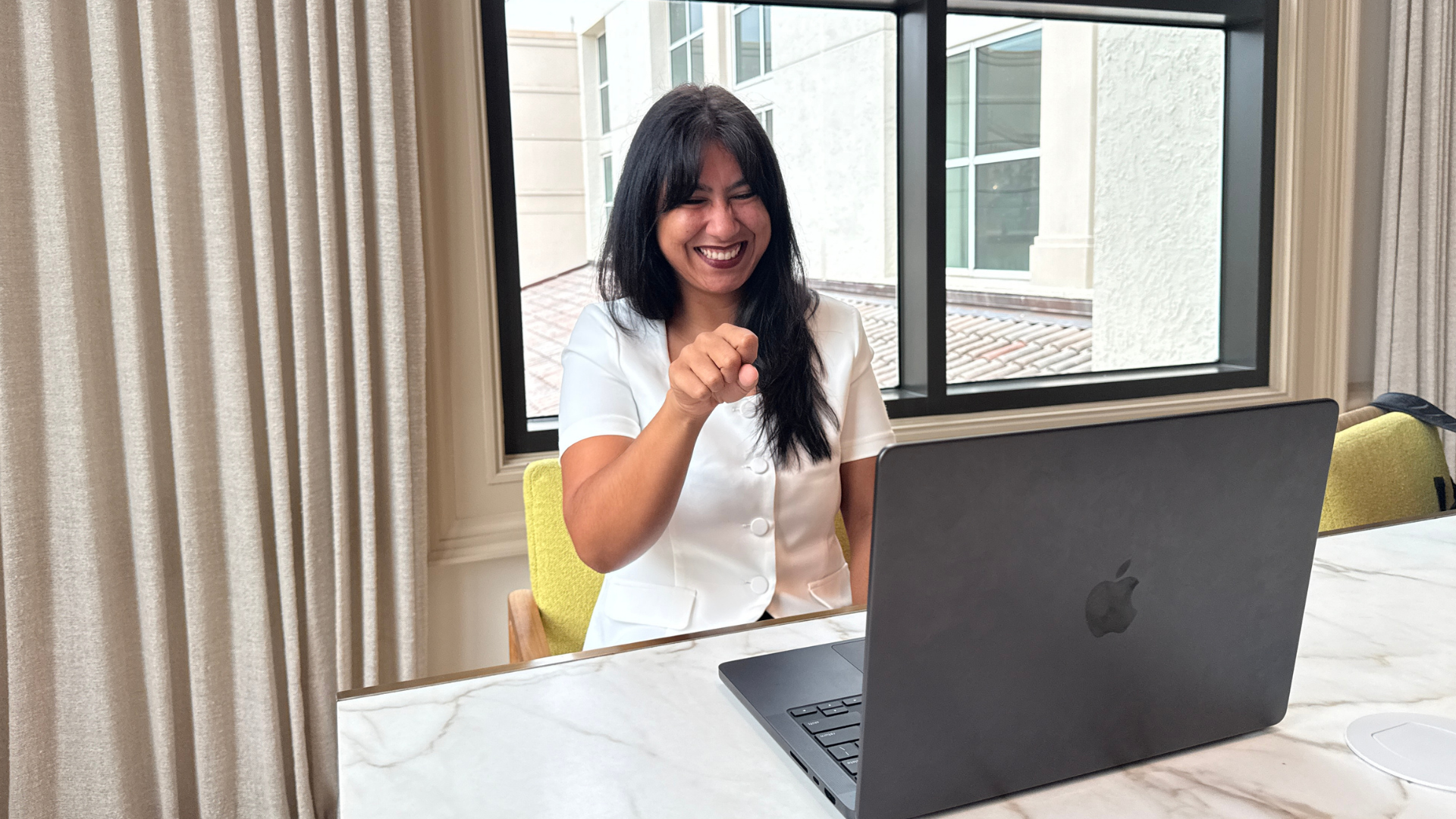
As a marketing professional who is also Deaf, I have navigated both sides of these challenges. Speaking through a predominantly Deaf lens while trying to reach hearing business leaders puts me in a unique, and often surreal, position. I've studied your world, worked in it, and built a career navigating it. I know what moves you: growth, ROI, brand equity, competitive advantage. I know what gets cut from the budget first.
But here's what keeps me up at night:
you don't know mine.
And that's not a criticism. It's just the truth. The Deaf, Hard-of-Hearing, DeafBlind, and signing community exists largely outside your field of vision. Not because you're indifferent, but because no one has ever made it your problem to solve.
That's what I'm trying to change. And honestly? That's the hardest marketing challenge I've ever faced.
The Problem With Invisible Problems
When something doesn't affect you, it's easy to miss. You've probably never called a customer service line and been told, implicitly or explicitly, "we can't help you," or even, "we don't understand you." You've never had to rely on a third party just to access a basic service. You've never felt a brand experience that simply wasn't built for you.
Your Deaf customers have.
Every day.
And here's what that means for your business: we leave. Often, quietly. Without a complaint ticket or an angry review (we're exhausted from facing this all the time) because more often than not, it's not a dramatically bad experience that drives us away. It's a quietly frustrating one. An interaction that was just hard enough, just inaccessible enough, to make us not come back. You can't measure the customer who never returned because reaching you was too much effort. You can't see the revenue that never arrived.
That's the nature of an invisible problem. The cost doesn't show up on a report. It just quietly compounds.
Let's Talk About What You Are Missing
I could lead with compliance. I could remind you that accessibility isn't just good practice. In many cases, it's the law.
But that's not the conversation I want to have, because frankly, compliance is the floor, not the ceiling.
Here's what I'd rather you sit with:
According to the American Institutes for Research, Americans with hearing disabilities have an estimated $86 billion in disposable income. These are consumers with brand loyalty, purchasing decisions, and tight-knit networks. A community that talks to each other, recommends businesses that see them, and remembers the ones that don't.
And right now, most of them are not your customers. Not because they don't want to be. Because you haven't made it possible.
That's not a compliance problem. That's a growth problem.
I Know What You're Thinking: "This sounds like a cost center."
I get it. Accessibility initiatives often get filed under compliance budgets, HR priorities, or CSR reporting. Worthy, but not urgent. Not revenue-generating.
I'd like to challenge that framing directly, because we've spent years building a solution rooted in the opposite belief.
At 360 Direct Access, we didn't build sign language contact center solutions and accessible technology because it was the profitable thing to do. We built them because we believed, genuinely believed, they would make a difference. We've put our time, money, and energy into this for years now because the gap is real and the need is urgent.
But here's the truth I've come to accept: belief alone doesn't move business decisions. So let me give you the business case too.
When you make your services accessible to the Deaf community, you are:
- Expanding your addressable market to millions of consumers who are actively underserved
- Differentiating your brand in a marketplace where authentic inclusion is increasingly a competitive advantage
- Reducing customer churn among Deaf employees and customers who currently hit walls in your experience
- Future-proofing your business as accessibility standards and consumer expectations continue to rise
This isn't charity. It's strategy.
The Question I'm Really Asking
I started this piece wrestling with what angle to take with you. Do I appeal to your values? Your revenue targets? Your brand reputation?
The honest answer is: all of it. Because they're not separate.
What I really want to ask, as someone who has spent a career translating between two worlds, is this:
What has to be true for this to become a priority for you?
Is it the dollar figure? The brand story? The realization that your customer experience has a gap you've never had to feel yourself? I genuinely want to know, because that answer shapes everything about how we show up, build solutions, and make the case for a community that deserves to be seen.
The Deaf, hard-of-hearing, and signing community is not a niche. They are your customers, your employees, your neighbors. They are spending money somewhere. The question is whether it's with you.
You didn't know this was a problem. Now you do.
What are you going to do?
Tell me what drives you.
DM me on LinkedIn or reach out to me using the
contact page.