Ask yourself: why do 50 million people across 190 countries wake up at 3am to stream a music video? It isn’t just the music. A Korean pop group, BTS, has an ARMY, literally. It didn’t form around a product. It formed around a feeling. I am seen here. I belong here. I am not alone. I know a Deaf BTS ARMY member who will tell you, without hesitation, that the fandom gave her something no system ever did: a place where she was simply, unconditionally, home. She feels the music. And she feels the belonging.
Belonging Is Not a Feeling. It’s a Biological Need.
Belonging is more than a warm feeling. It is a biological need, as primal as hunger, as urgent as safety. A 2025 meta-analysis of over 68,000 people found that belonging improves mental health outcomes for 1 in 3 people. Stanford psychologist Geoff Cohen tells us it comes down to three things: being seen, having potential, and knowing you are not alone. When we belong, we thrive.
The Layer Nobody Is Talking About
The biggest paradox? Having a seat at the table doesn’t mean you automatically belong. According to Brown University, nearly 68% of working-age adults with disabilities experience severe loneliness, compared to just 8% of those without.
Case in point: the Deaf community. 466 million people worldwide who are present in classrooms, workplaces, family dinners, and still left out of the conversation.
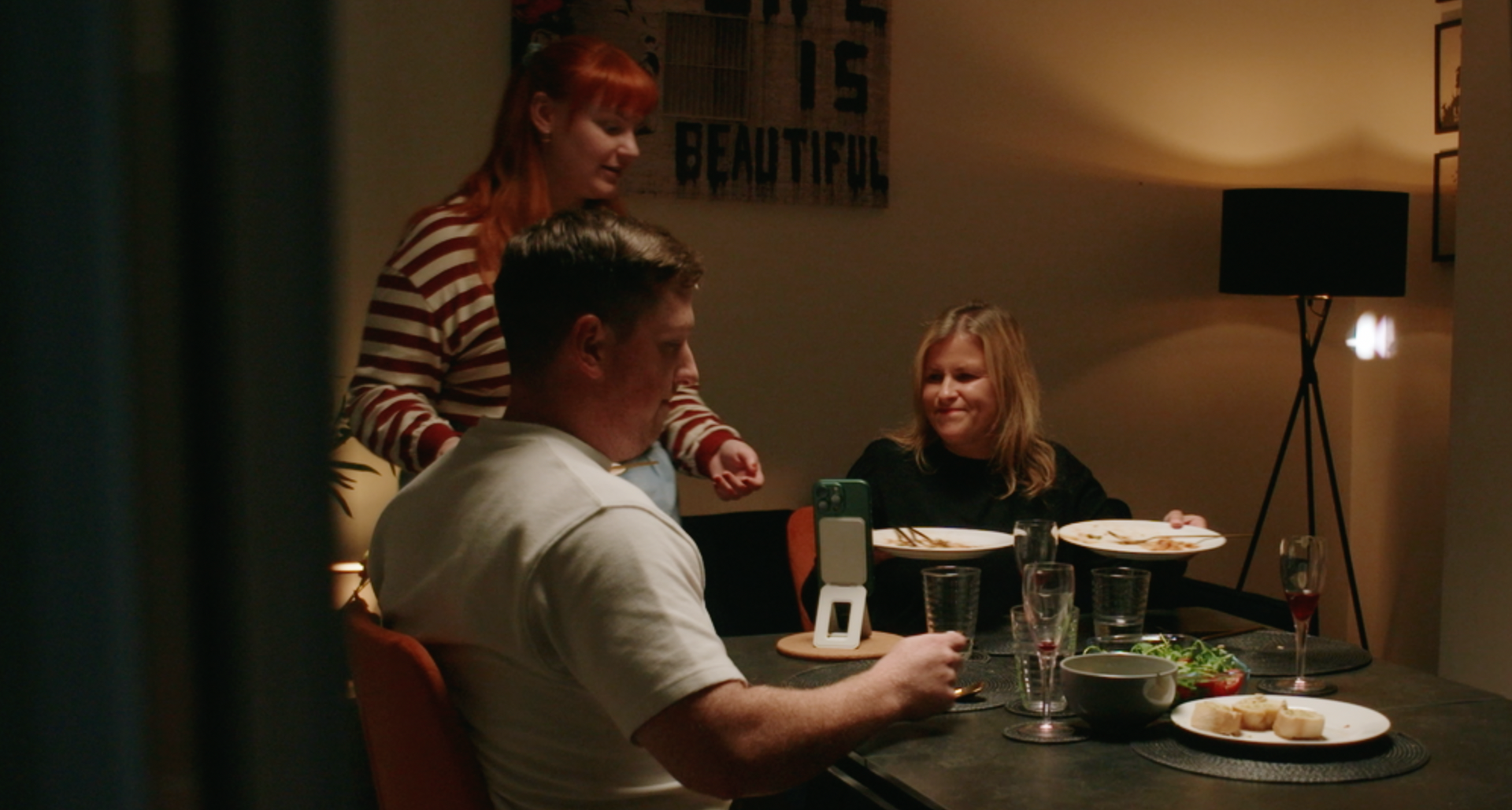
Researchers call it “dinner table syndrome.” You are physically present. But the conversation moves around you, not with you. Laughter happens and you don’t know why. Decisions are made and you weren’t part of them.
Loneliness assumes you had access to language and simply weren’t reached. But what about the people for whom that access was never fully available in the first place?
Now imagine that same experience in a hospital waiting room. A customer service call. A job interview. A government office. A school meeting about your own child.
The seat was there. The belonging wasn’t.
The Business Case for Human-Centric Design
There is a concept worth knowing: Deaf Gain. The idea is simple and radical. Designing for Deaf access doesn’t diminish society, it advances it. The TTY, a device built so Deaf people could communicate by phone, became the foundation of modern texting. Captions became universal. Curb cuts became essential for everyone.
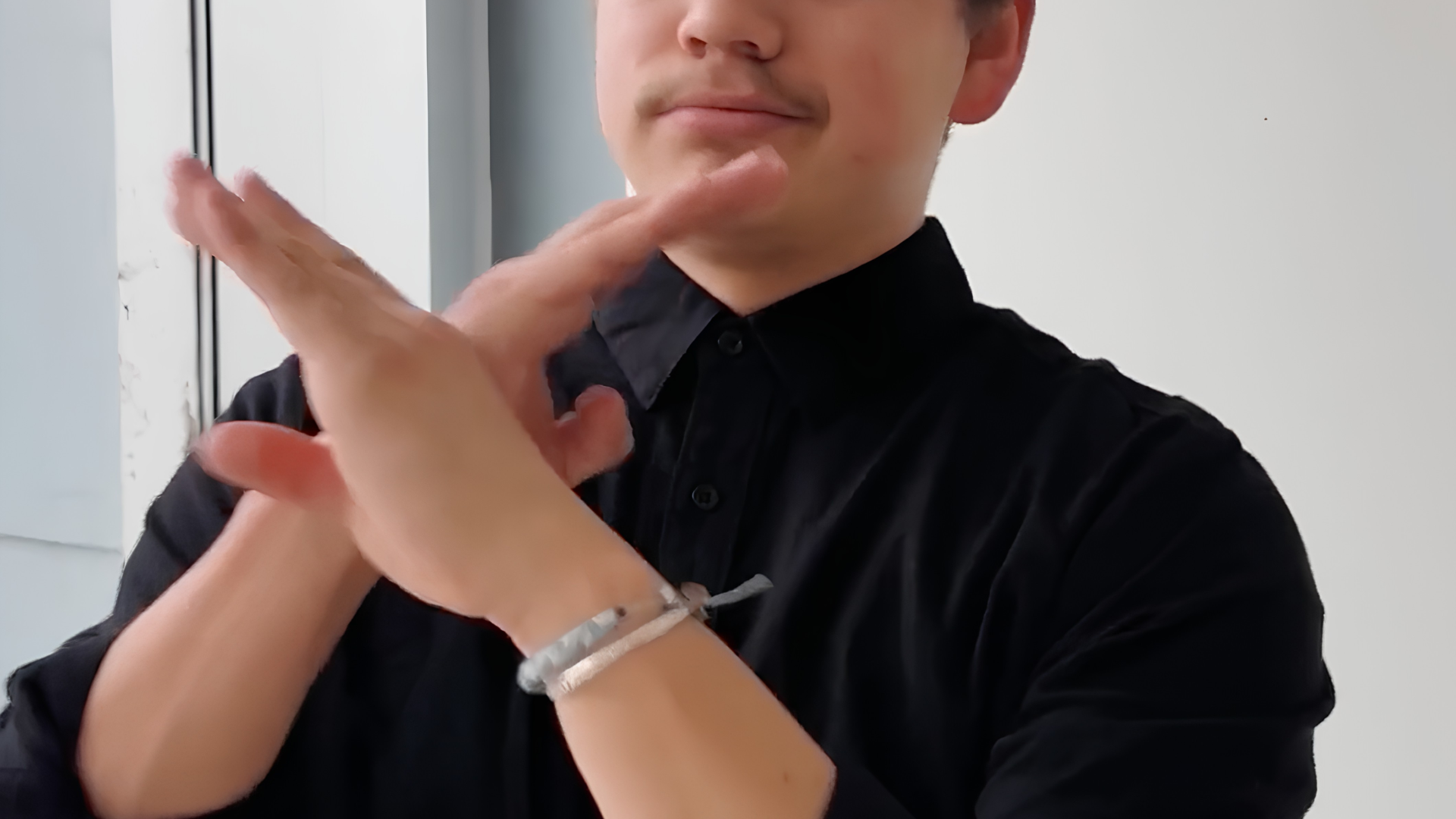
The proof is in the demand. A US Department of Commerce study of 480,000 Deaf and hard-of-hearing customers found they ranked direct ASL communication above email, interpreter calls, and text. They weren’t asking for accommodation. They were asking for belonging. Directly. Through language.
According to PwC, 86% of customers will pay more for a genuinely human experience and 32% walk away after just one bad one. More than 80% say they want more human interaction in the future, not less. Bain & Company found that companies built on human connection grow 2.5 times faster. The demand has always been there.
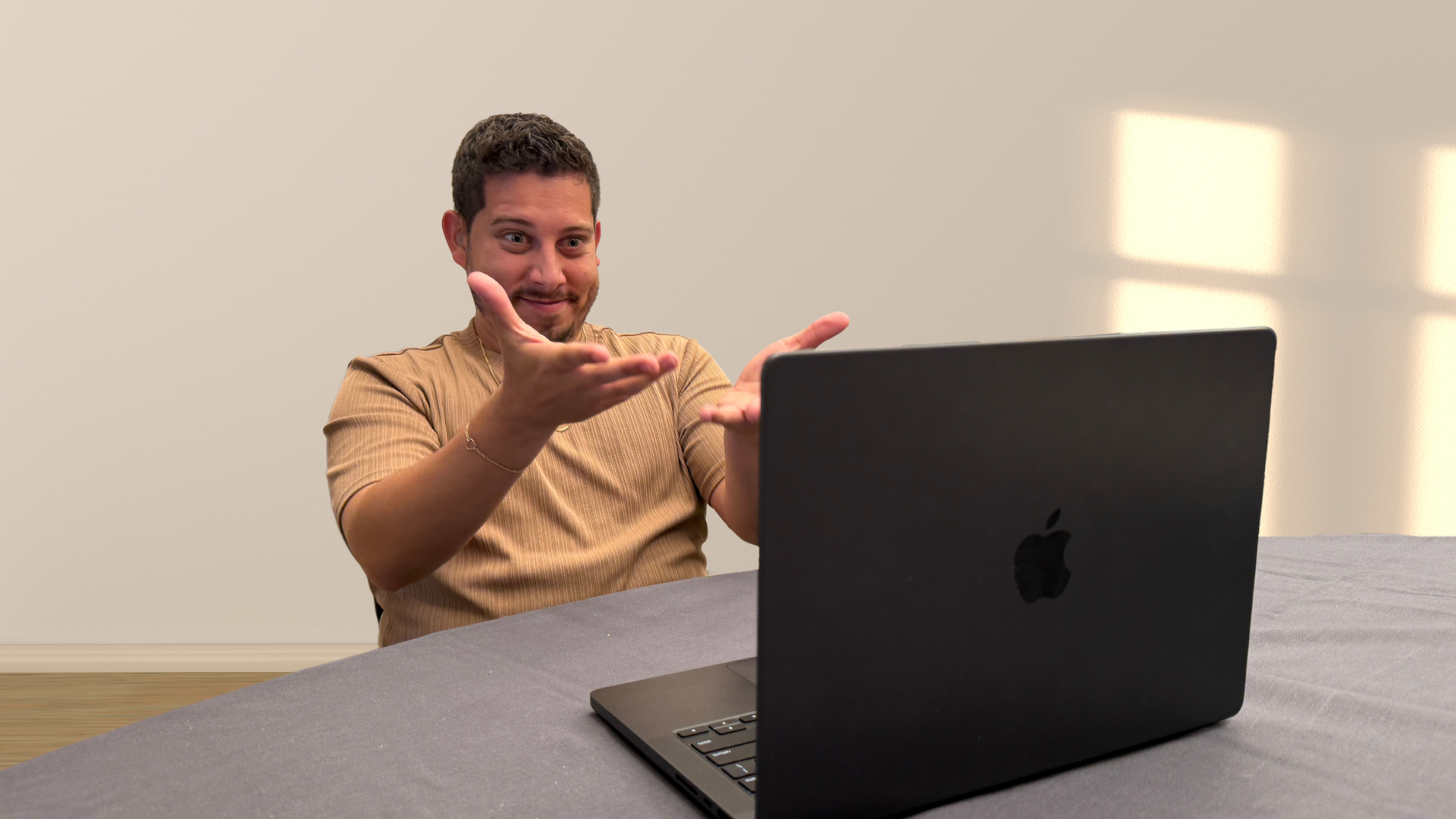
Science backs it. According to research in Nature, face-to-face communication is the single most important predictor of mental health. Now imagine a customer service model built entirely on that principle, live video, direct communication, same language, same community.
When a customer discovers the person on the other end shares their language and lived experience, something shifts. There is an instant bond. The exchange becomes a connection. They call back. Not because they have to. There are emails and chatbots. But because they want to.
One customer, after years of navigating systems that never quite fit, joined a live video call. Before saying anything else, they paused:
“Are you real? Are you AI?”
“We are as real as we can get.”
Another finally reached a real person within seconds. Gaining a smile and a solution.
Act.
Representation is not a pipeline problem. It is a design choice. 1 in 7 people globally lives with a disability. They are already your customers. Hire them.
Fix the table, not just the seat. Dinner table syndrome doesn’t end with a job offer. It ends when Deaf, hard-of-hearing, and people with disabilities are in the room where decisions are made. Representation at the top changes everything. Bonus: you’ll get Deaf Gain.
Replace intermediaries with direct connection. Every time a customer navigates an abyss of automated numbers to get help, belonging erodes. Design for the shortest possible distance between a person and the human who can help them.
Build belonging in. Not on. Don’t settle for accommodation. Design your systems, platforms, and cultures so every person, regardless of language, ability, or communication style, can fully participate. Universal design creates global belonging.
The Movement Starts Here
This Mental Health Awareness Month, go deeper than awareness. Human reform is the greatest social movement of our time.
It starts with one connection.
And it starts with you.