It’s a question we have all heard or seen before, usually in movies or TV shows. Someone is not listening, misses something obvious, and the other person throws it out there. Sometimes it is meant as a joke, sometimes it lands a little harsher than intended.
But there is another version of this question. One that feels completely different.
I see it in real life.
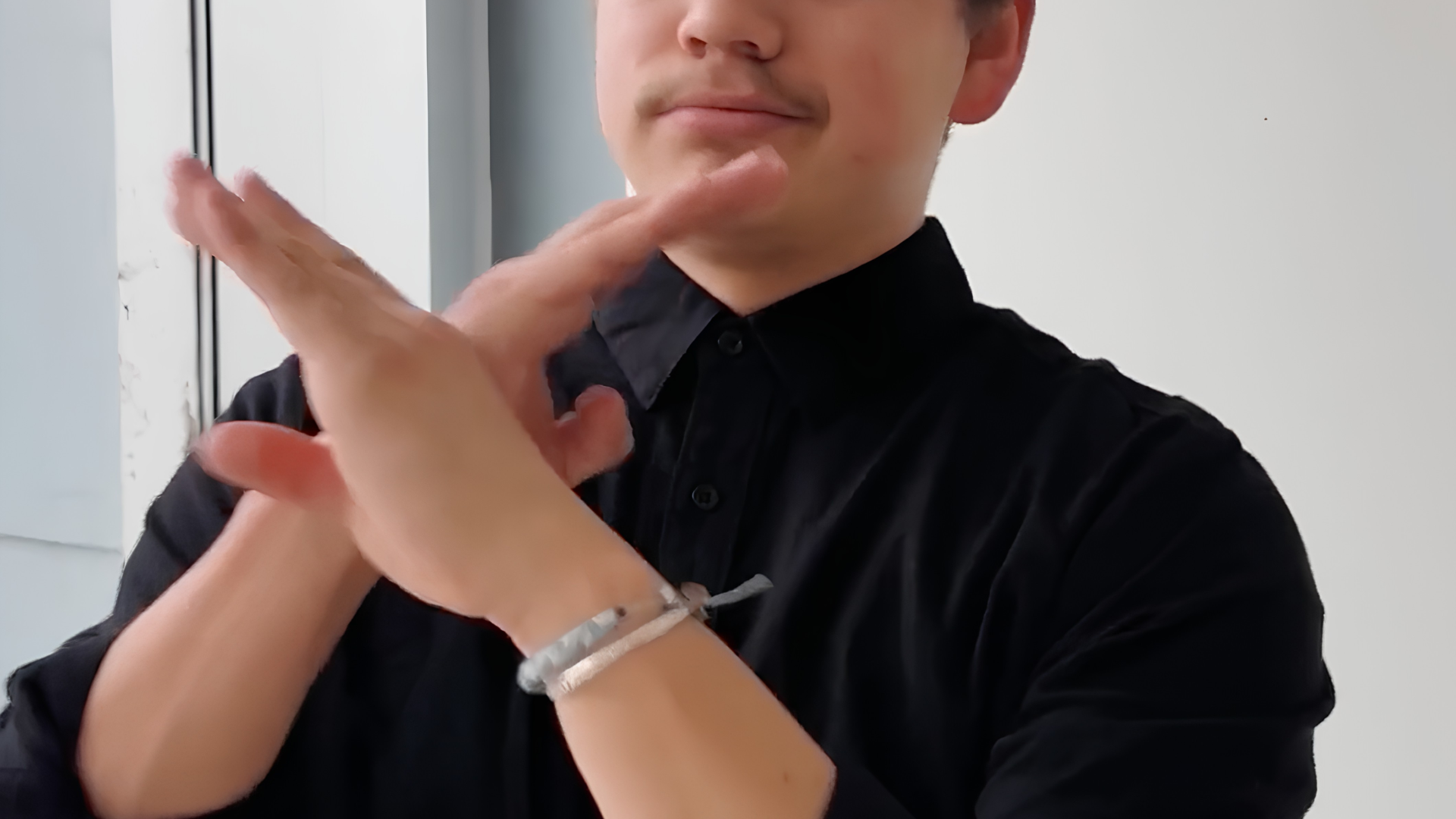
When a customer first connects with a Deaf representative, there is often a moment of quiet curiosity. They might naturally assume they are speaking with an interpreter who will relay the conversation to someone else; the model they have been used to for so long. But as soon as they realize they are communicating directly with the person handling their request, that curiosity quickly shifts into a sense of genuine excitement.
They ask, “Are you deaf?”
And the response comes back with a smile:
“Yes, I am! How can I help you?”
That moment matters more than people realize.
Because for many years, accessing customer service as a deaf person hasn’t just been inconvenient, it’s been frustrating, exhausting, and at times, discouraging.
I think back to my early experiences using a TTY, navigating relay calls, and later using Video Relay Services (VRS). While I have always been grateful those services exist, they added layers, extra steps, extra time, and often uncertainty about how the interaction would go.
There were times I didn’t even want to deal with it. I’d ask someone else to make a call for me because I just didn’t have confidence the experience would be smooth.
One experience has always stayed with me. My wife and I bought a dining room set, and one of the chair legs broke while it was still under warranty. It should have been an easy fix.
But it wasn’t.
I tried reaching out multiple times, through VRS and email, and kept hitting dead ends. What should have been a basic customer service interaction turned into a frustrating cycle of effort with no resolution.
And that is where it compounds.
You are already dealing with poor service, and on top of that, you have to go through additional steps just to communicate. You are hoping for a good interpreter, hoping the message comes across clearly, hoping the person on the other end gets it.
Eventually, we replaced the entire dining set. But I kept the broken leg, not because I needed it, but because it reminded me of the experience.
Technology has come a long way, and it is evolving fast. The customer experience industry talks a lot about innovation, efficiency, and even the elusive “wow” factor.
But too often, accessibility is still an afterthought.
Yes, we have more tools than ever before. But when products and services aren’t designed with accessibility in mind from the beginning, it shows, and it directly impacts the experience.
And for deaf customers, that difference is felt immediately.
That is why moments like “Are you deaf?”, when asked with genuine curiosity, feel different. Because for the first time, the answer is not followed by friction. It is followed by connection.
This is exactly what we set out to change at 360 Direct Access, a company I am very proud to be part of since the beginning.
Instead of forcing deaf customers to adapt to systems that weren’t designed with them in mind, we asked a simple question:
What if customer service met them where they are? What if there were no extra steps?
No relay calls.
No waiting.
No wondering if the experience would go smoothly.
Just a direct connection.
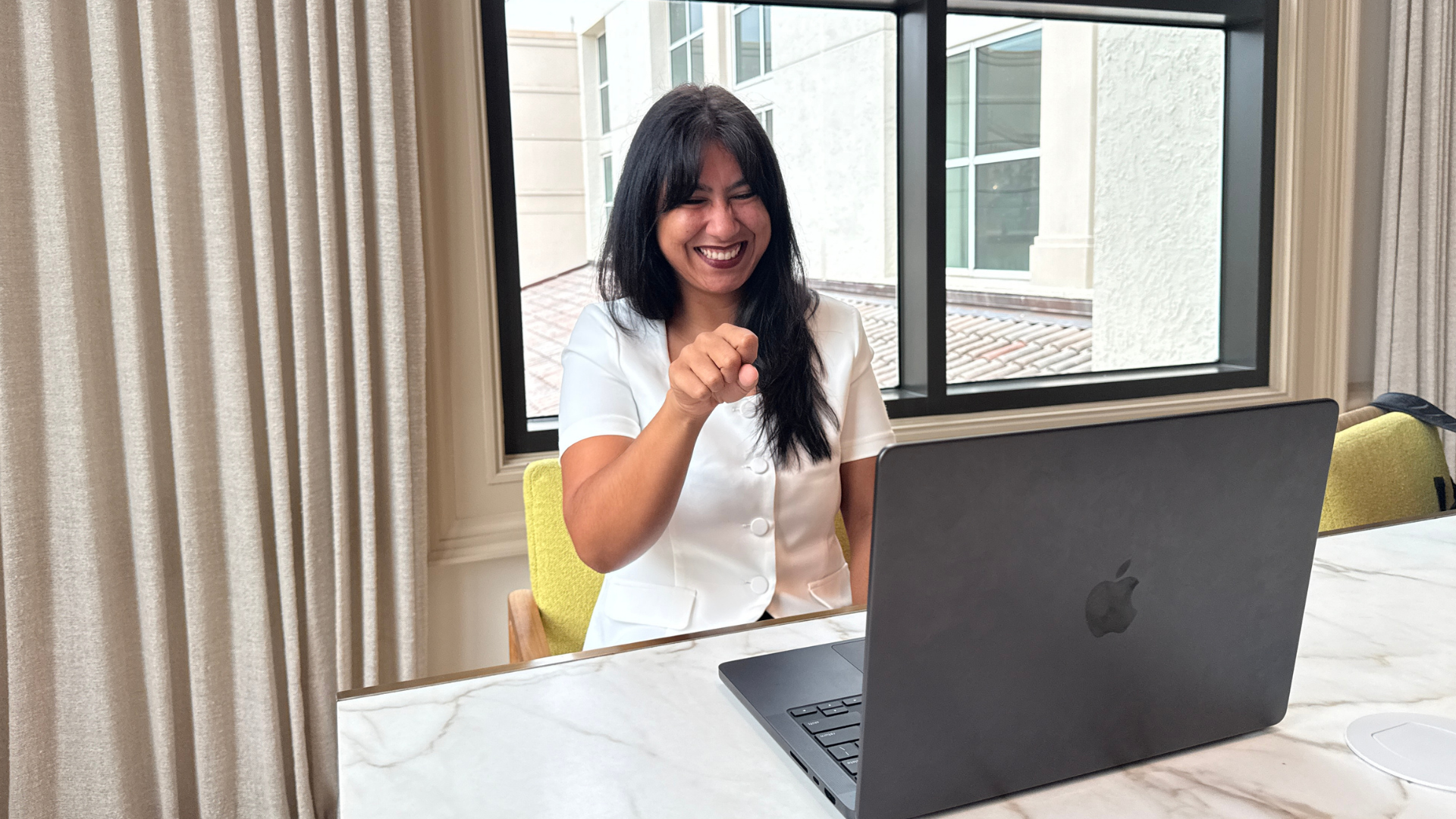
Today, when a deaf customer sees our widget on a company’s website, they can click to view a video message in their native sign language. From there, they can choose to start a live video call, chat, leave a video message, or even schedule an appointment.
When they start a live call, they are instantly connected to a deaf representative through video.
And when that happens, something shifts. The conversation starts naturally. There’s no middle person. No delay in expression. No loss in translation.
It’s just communication: clear, direct, and
human.
And for many deaf customers, it’s the first time they’ve ever experienced customer service this way. And that’s the part that stays with them. Not just that their issue was resolved, but how it felt to get there. To not have to adjust. To not have to wait. To not have to wonder if they would be understood.
I’ve spent years adapting, finding ways to communicate, finding ways to be understood, finding ways to make things work.
So when that “Are you deaf?” question comes now, it doesn’t feel like a challenge. It feels like recognition. Like I don’t have to adjust anymore.
Like I can just be myself.