

Communications, video, and technology accessibility act (CVTAA) 911 bill
Every Second Counts.
So Does Every Sign.
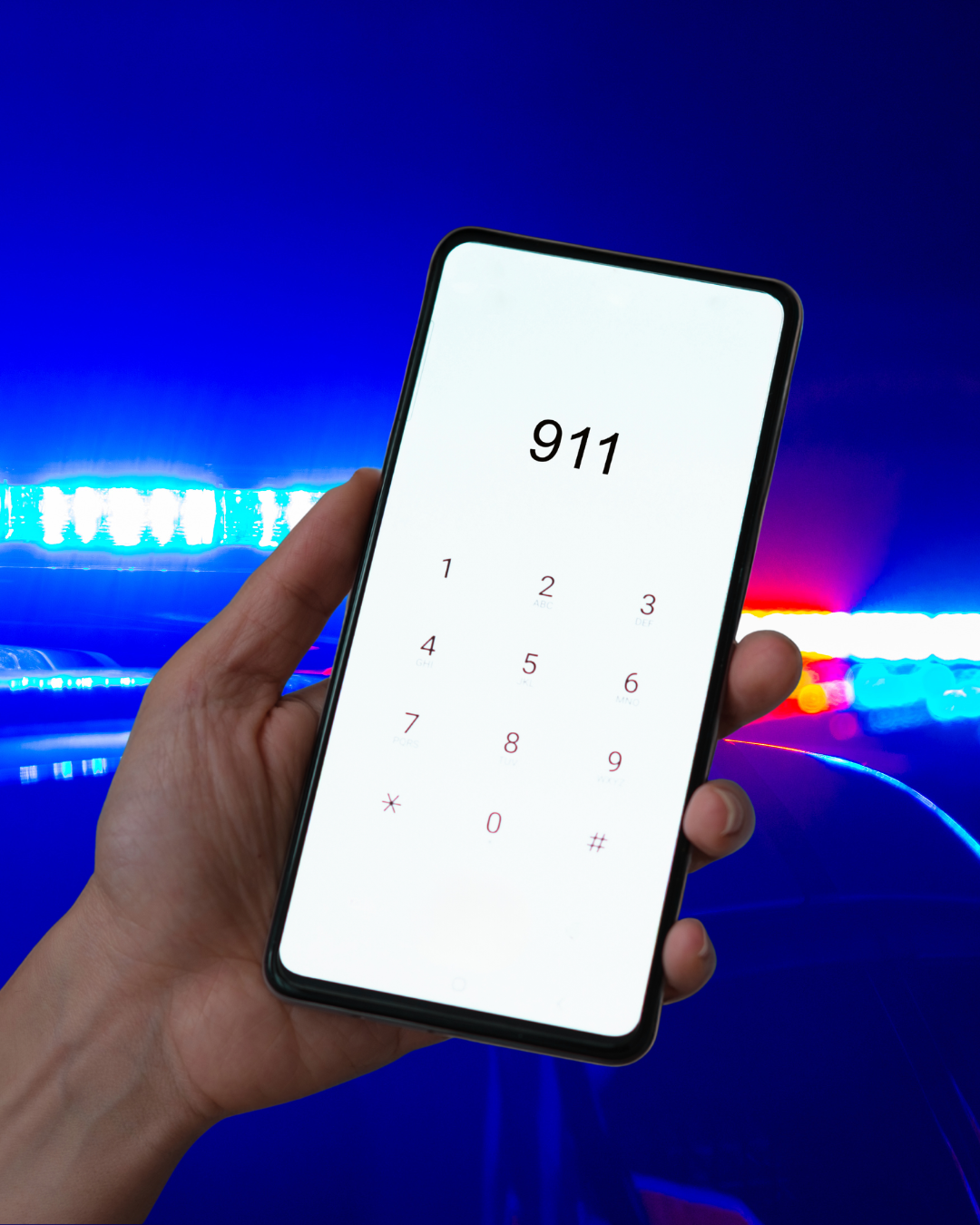
When a hearing person calls 911, they speak. Someone answers. Help comes.
When a Deaf person calls 911 today, an interpreter is patched in first. They relay the emergency back and forth between you and the dispatcher. Every word. Every second. Through a stranger in the middle.
And here’s what most people don’t know: when you call through a relay service, the dispatcher can’t find you automatically. The location system that tells responders exactly where you are — it doesn’t work the same way.
In an emergency, that gap can cost everything.
Deaf Americans deserve to call 911 directly in their own language.
The same way Hearing Americans do.
The Communications, Video, and Technology Accessibility Act is a bipartisan bill in Congress right now.
It updates the 2010 accessibility law — written before video calling, streaming, and AI existed — to cover how Americans communicate today.
TODAY
List of Services
-
Call 911 → wait for relay interpreterItem Link List Item 1
-
3-way call through a strangerItem Link List Item 2
-
Location system may not workItem Link List Item 3
-
Extra steps when every second matters Write a description for this list item and include information that will interest site visitors. For example, you may want to describe a team member's experience, what makes a product special, or a unique service that you offer.Item Link List Item 4
IF THE CVTAA PASSES
List of Services
-
Call 911 → ASL call-taker answers directlyItem Link List Item 1
-
Direct, private, in your languageItem Link List Item 2
-
Equal access to emergency location servicesItem Link List Item 3
-
Equal emergencies. Equal access. Equal safety. Write a description for this list item and include information that will interest site visitors. For example, you may want to describe a team member's experience, what makes a product special, or a unique service that you offer.Item Link List Item 4
OUR FOCUS
911 Direct Video Calling
If passed, 911 call centers would be required to accept direct ASL video calls. No relay. No delay. You call. They answer. Help comes.
THE BILL ALSO COVERS
- Captions on streaming and online video
- Accessibility on video conferencing platforms
- Device settings for Deaf and hard of hearing users
- AI and emerging technology accessibility
Why 360 Direct Access?
360 Direct Access is one of the few companies in the country certified by the Federal Communications Commission to provide direct ASL video calling.
We already do this for businesses. Deaf customers connect face-to-face with ASL-fluent representatives. No interpreter. No relay. Direct.
We are building toward the same direct access for 911. That’s why this bill matters to us personally.
SEND A MESSAGE: TELL CONGRESS THIS CANNOT WAIT!
Copy the message below → click the "Find My Representative" button to type in your zip code to send them an email → paste the message and click send!
Your 2 minutes makes a difference for the Deaf community nationwide.
Subject: Please Support the Communications, Video, and Technology Accessibility Act (CVTAA)
Dear [Representative/Senator Name],
I am writing to urge you to support the Communications, Video, and Technology Accessibility Act (CVTAA).
For hearing Americans, calling 911 is simple: they speak, someone answers, and help is dispatched. For Deaf Americans who use American Sign Language, the process is often slower and more complicated. Emergency calls typically require a relay interpreter to join the conversation, creating delays during critical moments when every second matters.
Even more concerning, Deaf callers using relay services may not have the same access to emergency location technologies that help dispatchers quickly identify where help is needed.
The CVTAA is a bipartisan bill that modernizes accessibility laws to reflect how Americans communicate today. One of its most important provisions would require 911 call centers to accept direct ASL video calls, allowing Deaf individuals to communicate directly with emergency personnel in their primary language without relying on a third party.
Language access should not depend on whether someone communicates through spoken English or American Sign Language. With this bill, Deaf and DeafBlind Americans could connect directly with a 911 dispatcher in seconds, in their own language, without waiting for a third party to join the call. In an emergency, that difference can be the line between life and death.
The bill would also improve accessibility across streaming platforms, video conferencing services, devices, artificial intelligence, and emerging technologies.
Deaf Americans deserve equal access to emergency services, equal access to communication, and equal access to safety.
Please support the CVTAA and help ensure that accessibility keeps pace with technology.
Thank you for your time and consideration.
Sincerely,
[Your Name]
[City, State]
SPREAD THE WORD
Copy and paste the below suggested language to your LinkedIn or X/Twitter feed!
Deaf Americans can’t call 911 directly in ASL. A relay interpreter is required. That costs precious time, and sometimes location information. The CVTAA would change that. Add your name. → 360directaccess.com/cvtaa. #CVTA #DeafAccess #EqualAccess
X / TWITTER
Every second counts. So does every sign. Deaf Americans deserve direct 911 access in ASL. Support the #CVTAA → 360directaccess.com/cvtaa. @SenMarkey @NAD1880 @RepDebDingell
Questions
What is the CVTAA?
A bipartisan bill introduced by Senators Markey and Luján and Representatives Dingell and Fitzpatrick. If passed, it would update accessibility laws to match today’s technology — including requiring 911 call centers to accept direct ASL video calls.
We already have the CVAA. Why isn’t that enough?
The CVAA was passed in 2010, before video calling and streaming existed. It never covered 911 video access. The CVTAA closes that gap.
What does adding my name actually do?
360 Direct Access brings your name directly to the congressional offices sponsoring the bill. Constituent support is one of the most powerful things a lawmaker hears. Your name matters.
Is there anything else I can do?
Yes. Contact your own congressperson directly and tell them to support the CVTAA. Find their contact information at house.gov or senate.gov. Share this page with your community.
360 Direct Access is an FCC-qualified Direct Video Entity. We connect Deaf customers directly with ASL-fluent representatives — and we’re building toward the same direct access for 911.